Գործնական աշխատանք

1.Խաղողի և հաղարջի ո՞ր մասը  կվերցնեք, որ ապուրը  համեղ ստացվի:

աղ

2.Ըստ ձևաիմաստային դասակարգման՝ ի՞նչ տեսակ  բառեր  կան  հետևյալ  նախադասության  մեջ. «Գնա  հորդ  ասա՝  հորդ  անձրևից   հորթը  թրջվեց»:

հորդ, հորդ, հորթ


3.Ունկնդիր, ունկավոր, ունկնախից  բառերից ո՞րը  «չի  լսում»:

ունկավոր


4. Ձար, գզաթ, ստև: Ի՞նչ է կոչվում  մարդունը:

մազ


5.Այբուբենի ո՞ր տառից կետադրական նշան կկերտեք:

Պատասխան՝ թ-ից


6.Մոգ, արատ, սաթ, ասա, ների աղտ,  կերոն բառաշարքը հակառակ  ուղղությամբ կարդալ որպես  նախադասություն:

Նորեկ տղաներին ասա թաս տարա գոմ։


7.Ո՞ր բառն է ավելորդ  շարքում՝   տաբատ,  քաղաք,  դարան,  կատակ,  պարապ:

դարան


8.Շուշան,  Հասմիկ,  Աշխեն,  Անթառամ,  Նվարդ,  Նունուֆար .  ու՞մ  պարտեզից  դուրս   կհանեք:

Աշխեն


9.Ուղղել սխալը. «Հորի այծերից մեկն ընկավ հորանը»;

Հորանի այծերից մեկն ընկավ հորը։


10.Առաջին մասս պարիսպ է, երկրորդս` ավերված քաղաք, միասին` մարդու հասակ:

պատանի


11. Ո՞ր մրգի առաջին մասը դերանուն է, երկրորդը` թռչուն:

սալոր


12.Ի՞նչ բնակավայր է, որի առաջին բաղաձայնը հանենք, կդառնա ուտելիք:

գյուղ

Distance Learning Tasks for Grade 10 ( March 30- April 10)

1.Read the text and answer the questions.

How Does Brain Work?

Theories about how brain works remain a topic of debate. It is agreed, though, that the hippocampus, a part of the brain, is undeniably important for memory. When we experience something, the information is sent via our senses to the hippocampus, where it is processed. Scientists believe that brain cells called neurons first transform the sensory stimuli we experience into images in our immediate memory. Then, these images are sent to the hippocampus and stored temporarily in short term memory. In the hippocampus information is organized, and it is during this process that parts of the image of our experience fade away. Finally, certain information is then transferred to long term memory in a section in the frontal lobe of the brain known as the cerebral cortex. Scientists think this process may happen while we are sleeping, but exactly how the information is transferred from one area of the brain to another is a mystery.
1. This reading is mainly concerned with —-.
A) how to improve our memory
B) why some of the information in short term memory fades away
C) illness that results in severe memory loss
D) how human brain processes and stores information
E) the importance of neurons in transferring sensory stimuli


2. According to the passage scientists —-.
A) know that information is sent from the long term memory to the hippocampus
B) have found out why some of the information is lost in the hippocampus
C) don’t know exactly how the information is transferred from one area of the brain to another
D) agree on how the brain works
E) still debate whether the hippocampus is important for memory

3. It is pointed out in the reading that —-.
A) the brain was not considered as a highly complex organ in the past
B) damage to hippocampus doesn’t cause memory loss
C) all of the information stored in the short term is transferred to long time memory
D) hippocampus is in the frontal lobe of he brain
E) scientists agree that the hippocampus is important in processing information

2. People With Extraordinary Abilities

Fictional stories about people who have extraordinary abilities have always attracted people’s attention. One of them is the story of Vera Petrova, who is able to perceive things with different parts of her skin, and through solid walls. One day she comes into his father’s office and puts her hands on the door of a locked safe. Suddenly she asks her father why he keeps so many old newspapers locked away there. Vera’s curious talent is brought to the notice of a scientific research institute and she is given a series of tests by a special commission. During these tests she manages to read a newspaper through an opaque screen and then she describes the figures and colors of a picture hidden under a carpet. During all these tests Vera is blindfolded; and, indeed, except when blindfolded she lacks the ability to perceive things with her skin. It was also found that although she could perceive things with her fingers, this ability ceased the moment her hands were wet.
1. As we understand from the reading, Vera Petrova —-.
A) can only perceive things with her fingers
B) is a curious child
C) is not the only fictional character who has extraordinary abilities
D) fails most of the tests administered by a special commission
E) perceives the objects only when her fingers are wet

2. It is pointed out in the reading that Vera Petrova loses the ability to perceive objects with her fingers —-.
A) when her father first notices this ability
B) when she is asked to read a newspaper through an opaque screen
C) after she is given a series of tests
D) as soon as her hands get wet
E) when the object is hidden under a carpet

3. According to the reading, —-.
A) Vera Petrova’s father asks her why she keeps the old newspapers in the locked safe
B) the scientific research institute is not interested in Vera Petrova’s talent
C) Vera can’t perceive objects with her skin unless she is blindfold
D) there are several scientific research institutes which examine people like Vera
E) the special commission is made up by people who can also perceive objects with their skin

2. Fill in few or little into the gaps.

Remember: Few and little both express ‘a small quantity’: Little refers to non-countable nouns, and is used with the singular form to indicate that something exists only in a small amount or to a slight degree. Few refers to countable nouns, and is used with the plural form to indicate not many persons or things.

For example:  I’ve got little money left in my account. / Ben has few friends in London.

  1. He likes a ___little______ sugar for his tea.
    2. My parents will be home in a __few______ minutes.
    3. She told me a __little_ about her life in Los Angeles.
    4. I can’t come because there’s still a __little______ work to do.
    5. They only sang a __few________ songs on the festival.
    6. She invited a lot of girls and a ___few_______ boys to her party.
    7. There’ll probably be a ______little________ rain on Sunday.
    8. They are good students, but they have a ___little_______problems with maths.
    9. A ____few_____of his movies became very successful.
    10. We get a ____little______extra pocket money from our grandma.
    11. I’m going to meet a ____few________friends this afternoon.
    12. There were only a _____few________ rainy days in January.
    13. ____________do we know about his early years in Paris.
    14. There’s ______little______crime in the country where I live.
    15. They need a _____little________luck to win the final.
    16. We stayed only for a _____few________ days before moving on.
    17. There were only a ______few________cars on the highway last night.
    18. They had a ____few_______new ideas, but I didn’t like any.
    19. Your mum needs a _________little______ help with the housework.
    20. I read a ______few__________chapters last night before I fell asleep.

3. You have 2 projects to do

4.Choose on of your favourite short stories and record your reading, make your own Audiobook. 

  • First,choose a short story written by your favourite writer.
  • Read it again.
  • Try to find and listen the audio version of the short story, it will help you.
  • First speak about the writer in two words.
  • Present yourself  (Who are you, Where are you from, Where are you studying) .
  • Present the title of the short story and start recording it.

5.Talking Points, answer the questions below.

  1. What do you use the computer for?

__For swimming, dancing, _driving, making homework, playing and so on._____________________________________________________________________________________________________________________________________________________________________________________________________________________________________________________________________________________________________________________________________________________________________________

    2. Does the computer save time?

_Of course . Except of searching something in book or asking someone you can search for it with computer.

_______________________________________________________________________________________________________________________________________________________________________________________________________________________________________________________________________________________________________________________________________________________________________________

    3. On the desert island, would you pefer a human or a computer for company, why? 

_Of course human because you cant talk with computer you cant even do much because there is no internet.

________________________________________________________________________________________________________________________________________________________________________________________________________________________________________________________________________________________________________________________________________________________________

     4. Has you life changed since you started using computers?

_I was born with computer so i dont know what to answer.

_______________________________________________________________________________________________________________________________________________________________________________________________________________________________________________________________________________________________________________________________________________________________________________ 

Թեստային աշխատանք

(1)Հայոց հազարամյա մշակույթի պատմությունն ունի մի շրջան, որը վայրէջքների ու դժվարին վերելքի իր դասերով ներկայացնում է մեր ժողովրդի հարատևման, հոգևոր անմահության և անշեջ փառքի փայլուն ապացույցներից մեկը: (2) Անօրեն բռնակալների անլուր հալածանքների, չընդմիջվող կոտորածների տասնամյակներում հայոց մշակութային կյանքը տվել է վերընթաց զարգացման մխիթարական շատ երևույթներ, որոնց մեջ իր ինքնահատուկ տեղն ունի Գլաձորի բարձրագույն դպրոցը կամ համալսարանը: (3) Մեր միջնադարյան մշակութային պատմության մեջ ընդունված է Գլաձորի համալսարանի գրչական և մանրանկարչական ժառանգությունը ճանաչել իբրև ինքնուրույն հոսանք՝ բուն Գլաձորյան դպրոց: (4) Իր ակունքներում ունենալով բնաշխարհի բազմադարյան ավանդույթներն ու Կիլիկյան Հայքի անմրցակից արվեստի լավագույն գծերը՝ Գլաձորի գրչական, հատկապես մանրանկարչական դպրոցը արձանագրեց զարգացման մի նոր աստիճան: (5) Գլաձորում ստեղծված ձեռագիր մատյաններում, հատկապես ծաղկողների՝ Հովհաննեսի և Մատթեոսի, ապա և Մոմիկի և իր գործընկերների մանրանկարներում ակնախտիղ գույների ընտրությունն ու համադրությունները, դիմանկարների հոգեբանական կերպավորումները կատարվում են աննախադեպ վարպետությամբ: (6) Մեկ զրույցով ներկայացված պատկերը, սակայն, պակասավոր կլինի, եթե մոռանանք Գլաձորի ավանդները և հատկապես ավանդառուներին, այսինքն՝ նրանց, ովքեր, հաղորդակցվելով Գլաձորի լույսին և այդ սրբասուրբ օջախից առնելով իրենց հոգու անշեջ կրակը, նոր օջախներ բացեցին մեր բնօրրանի տարբեր մասերում, դարձան նոր լուսատուներ, մշակութային կյանքի նոր քարոզիչներ: (7) Այստեղ՝ Գլաձորի համալսարանում են կրթություն ստացել Ստեփանոս Օրբելյան պատմիչը, Հովհան Որոտնեցի և Գրիգոր Տաթևացի հռչակավոր գիտնականները, Խաչատուր Կեչառեցի բանաստեղծը, Արևմտյան Հայաստանի մեծ լուսավորիչ Հովհաննես Երզնկացին և ուրիշ բազմաթիվ վարդապետներ ու դպրապետներ: (8) Նրանք լույսի ու գիտության նոր կենտրոններ ստեղծեցին երկրի տարբեր վայրերում: (9) Այդպիսիններից են Տաթևի և Մեծոփա վանքերի համալսարանները, որոնք արյունռուշտ թաթար-մոնղոլների վայրենի տիրապետության շրջանում դարձան հայ ժողովրդի հոգու անմար կրակը վառ պահողներ, լույսի ու գիտության անշեջ օջախներ: (10) Գլաձորի մայրամուտից հետո Հովհան Որոտնեցին՝ Եսայի Նչեցու աշակերտը, փոխադրվելով Տաթևի վանք, այնտեղ համալսարանական կարգ ու կանոն ստեղծեց:
Ըստ Բ.Ուլուբաբյանի

ԱՌԱՋԱԴՐԱՆՔ  1   7-րդ նախադասության մեջ ընդգծել 4 բաղադրյալ հատուկ գոյական:
ԱՌԱՋԱԴՐԱՆՔ 2.   4-րդ նախադասության մեջ ընդգծել 4 ածական:
ԱՌԱՋԱԴՐԱՆՔ 3.   6-րդ նախադասության մեջ  ընդգծել 4 դերանուն:
ԱՌԱՋԱԴՐԱՆՔ 4.  1-ին նախադասության մեջ ընդգծել կազմությամբ բարդ և ածանցավոր   բառերը:
ԱՌԱՋԱԴՐԱՆՔ 5. 4-րդ նախադասության մեջ ընդգծել 3 բարդածանցավոր բառ:

Առաջադրանք հայոց լեզվից, մակբայ

Տրված մակբայները գրեցեք համապատասխան տեղերում:
Այժմ, վաղուց, մշտապես, այլևս, ժամանակով, տարիներ ի վեր, այսուհետև, արդեն, վերջապես, ցմահ:

ժամանակով Արևելքի մի հրաշագեղ աշխարհում արդարամիտ ու խելացի մի թագավոր է լինում: Մի օր կանչում է իր որդիներին ու ասում.
— Սիրելի որդիներ, ձեր հայրն արդեն ծերացել է ու այլևս  չի կարող երկիրը կառավարել: Ես վաղուց  իջած կլինեի իմ գահից, եթե վերջապես կատարված տեսնեի այն միտքը, որ տարիներ ի վեր հուզել է իմ հոգին: Եվ Այժմ ձեզնից ով որ լուծի իմ այդ միտքը , նա մշտապես կստանա իմ թագը և ցմահ կկառավարի իմ ժողովրդին:

Տրված նախադասություններում ընդգծված մակբայները փոխարինեցեք հոմանիշ մակբայներով:
1. Մի վայրկյան վառվեց նրա սենյակի լույսը և Անմիջապես մարեց:
2. Մայրը սովորություն ուներ հաճախ մտնելու փոքրիկի սենյակը:
3. Կարող եմ այսուհետև  մոռանալ նրան:
4. Այնքան շատ ձյուն է եկել, որ թվում է, թե աշխարհը  մշտապես  մնալու է սպիտակ քաթանի տակ:
5. Երգչի պահանջները կամաց-կամաց սպառնալիքի ձև էին ընդունում:
6. անդադար  բողոքում էր, որ աչքերը ցավում են, և ինքը համարյա  ոչինչ չի տեսնում:
7. Բոլորն զգում էին, որ նկարչի դրությունը օրեցօր ավելի էր  վատանում:

The Little Match Girl

The Little Match Girl
by Hans Christian Andersen
Most terribly cold it was; it snowed, and was nearly quite dark, and evening– the last evening of the year. In this cold and darkness there went along the street a poor little girl, bareheaded, and with naked feet. When she left home she had slippers on, it is true; but what was the good of that? They were very large slippers, which her mother had hitherto worn; so large were they; and the poor little thing lost them as she scuffled away across the street, because of two carriages that rolled by dreadfully fast.

One slipper was nowhere to be found; the other had been laid hold of by an urchin, and off he ran with it; he thought it would do capitally for a cradle when he some day or other should have children himself. So the little maiden walked on with her tiny naked feet, that were quite red and blue from cold. She carried a quantity of matches in an old apron, and she held a bundle of them in her hand. Nobody had bought anything of her the whole livelong day; no one had given her a single farthing.
She crept along trembling with cold and hunger–a very picture of sorrow, the poor little thing!

The flakes of snow covered her long fair hair, which fell in beautiful curls around her neck; but of that, of course, she never once now thought. From all the windows the candles were gleaming, and it smelt so deliciously of roast goose, for you know it was New Year’s Eve; yes, of that she thought.

In a corner formed by two houses, of which one advanced more than the other, she seated herself down and cowered together. Her little feet she had drawn close up to her, but she grew colder and colder, and to go home she did not venture, for she had not sold any matches and could not bring a farthing of money: from her father she would certainly get blows, and at home it was cold too, for above her she had only the roof, through which the wind whistled, even though the largest cracks were stopped up with straw and rags.

Her little hands were almost numbed with cold. Oh! a match might afford her a world of comfort, if she only dared take a single one out of the bundle, draw it against the wall, and warm her fingers by it. She drew one out. “Rischt!” how it blazed, how it burnt! It was a warm, bright flame, like a candle, as she held her hands over it: it was a wonderful light. It seemed really to the little maiden as though she were sitting before a large iron stove, with burnished brass feet and a brass ornament at top. The fire burned with such blessed influence; it warmed so delightfully. The little girl had already stretched out her feet to warm them too; but–the small flame went out, the stove vanished: she had only the remains of the burnt-out match in her hand.

She rubbed another against the wall: it burned brightly, and where the light fell on the wall, there the wall became transparent like a veil, so that she could see into the room. On the table was spread a snow-white tablecloth; upon it was a splendid porcelain service, and the roast goose was steaming famously with its stuffing of apple and dried plums. And what was still more capital to behold was, the goose hopped down from the dish, reeled about on the floor with knife and fork in its breast, till it came up to the poor little girl; when–the match went out and nothing but the thick, cold, damp wall was left behind. She lighted another match. Now there she was sitting under the most magnificent Christmas tree: it was still larger, and more decorated than the one which she had seen through the glass door in the rich merchant’s house.

Thousands of lights were burning on the green branches, and gaily-colored pictures, such as she had seen in the shop-windows, looked down upon her. The little maiden stretched out her hands towards them when–the match went out. The lights of the Christmas tree rose higher and higher, she saw them now as stars in heaven; one fell down and formed a long trail of fire.

“Someone is just dead!” said the little girl; for her old grandmother, the only person who had loved her, and who was now no more, had told her, that when a star falls, a soul ascends to God.

She drew another match against the wall: it was again light, and in the lustre there stood the old grandmother, so bright and radiant, so mild, and with such an expression of love.

“Grandmother!” cried the little one. “Oh, take me with you! You go away when the match burns out; you vanish like the warm stove, like the delicious roast goose, and like the magnificent Christmas tree!” And she rubbed the whole bundle of matches quickly against the wall, for she wanted to be quite sure of keeping her grandmother near her. And the matches gave such a brilliant light that it was brighter than at noon-day: never formerly had the grandmother been so beautiful and so tall. She took the little maiden, on her arm, and both flew in brightness and in joy so high, so very high, and then above was neither cold, nor hunger, nor anxiety–they were with God.

But in the corner, at the cold hour of dawn, sat the poor girl, with rosy cheeks and with a smiling mouth, leaning against the wall–frozen to death on the last evening of the old year. Stiff and stark sat the child there with her matches, of which one bundle had been burnt. “She wanted to warm herself,” people said. No one had the slightest suspicion of what beautiful things she had seen; no one even dreamed of the splendor in which, with her grandmother she had entered on the joys of a new year.

Վրաստան-Ադրբեջան

  1. Քաղաքական առումով Վրաստանի և Ադրբեջանի միջև ակտիվ
    երկխոսություն է ընթանում քաղաքականության և անվտանգության, ինչպես
    նաև եվրոատլանտյան կառույցներին ինտեգրվելու հարցերի շուրջ:
    Քաղաքական երկխոսությունն ամրապնդվում է նաև փոխայցելություններով, որոնց ընթացքում հնչում են հայտարարություններ երկկողմ
    հարաբերությունների համար նոր ձևաչափ սահմանելու մասին: Նման
    այցելություններից մեկի ժամանակ Վրաստանի նախագահ Մ.
    Սահակաշվիլին առաջ քաշեց մի գաղափար, համաձայն որի, Վրաստանը և
    Ադրբեջանը պետք է անցնեն համադաշնային հարաբերությունների2
    : Որոշ
    ժամանակ անց այդ նույն գաղափարը հնչեց միջկառավարական
    հանձնաժողովի նիստի ընթացքում ու ստացավ իր հետագա զարգացումը
  1. Երկկողմ առևտրային հարաբերությունները: Երկրների միջև համագործակցության կարևորությունը և արտաքին քաղաքականության վեկտորների
    ուղղվածությունը որոշվում է նաև տվյալ երկրների միջև գոյություն ունեցող
    առևտրատնտեսական հարաբերությունների մակարդակով: Արդեն մի քանի
    տարի է, ինչ Ադրբեջանը, ըստ Վրաստանի վիճակագրական ծառայության
    տվյալների, Վրաստանի հիմնական առևտրային գործընկերն է: Արտահանումը Վրաստանից Ադրբեջան կազմել է 425.9 մլն ԱՄՆ դոլար, իսկ
    ներմուծումը` 610.7 մլն ԱՄՆ դոլար: 2012 թ. արտաքին ապրանքաշրջանառությունը Ադրբեջանի հետ հունվար-ապրիլ ամիսների համար
    կազմել է 382 մլն ԱՄՆ դոլար: 2011 թ. Վրաստանի և Ադրբեջանի միջև
    ապրանքաշրջանառության ծավալներն աճել են 36%-ով11:
  1. Էներգետիկ համալիր: Իր աշխարհաքաղաքական դիրքի շնորհիվ Կասպից ծովի էներգակիրների արտահանման համար Հարավային Կովկասը
    հիմնական տարանցիկ միջանցքն է դեպի արևմտյան սպառման շուկաներ:
    Երկու պետությունների ազգային շահերը, դրանց շուրջ ստեղծված
    իրականությունը, հետաքրքրություննե- րի բազմակողմանիությունը և
    հետապնդվող խնդիրները ստեղծե-ցին ինտեգրված համալիր, որի շնորհիվ
    այս պետություններն իրականացրին էներգակիրների տեղափոխման երեք
    նախագիծ(i) Բաքու–Սուսպա, (ii) Բաքու–Թբիլիսի–Ջեյհան նավթամուղերը և (iii) Բաքու–Թբիլիսի–Էրզրում գազատարը: Այս ծրագրերը ոչ միայն արդյունավետորեն միմյանց կապեցին Վրաստանը և Ադրբեջանը, այլև Թուրքիան, որի միջոցով դուրս եկան արևմտյան շուկա: Ի լրումն նշված ծրագրերի կողմերը նախաձեռնեցին նաև Ադրբեջան–Վրաստան–Ռումինիա
    գազատարի նախագիծը, որին հետագայում, համաձայն տարածված
    հաղորդագրությունների, միացավ նաև Հունգարիան: Յուրաքանչյուր
    պետության մասնաբաժինը ծրագրում կազմեց 25%:
  1. Տրանսպորտ: Խորհրդային Միության փլուզումից հետո ստեղծված
    աշխարհաքաղաքական իրավիճակը ստիպեց Ադրբեջանին փնտրել նոր`
    այլընտրանքային հաղորդակցության ուղիներ, որի վերաբերյալ առաջին
    քննարկումը կայացավ 1993 թ. հուլիսին և կապված էր Կարս–Գյումրի–
    Թբիլիսի երկաթուղային գծի փակման հետ: 2007 թ. Թբիլիսիում Վրաստանի,
    Ադրբեջանի և Թուրքիայի միջև ստորագրվեց եռակողմ համաձայնագիր

երկաթգծի կառուց-ման մասին, համաձայն որի` ծրագիրը նախատեսվում էր
ավարտել 2010 թ., սակայն վրաց-օսական պատերազմի և շրջակա միջավայրի
հետ կապված խնդիրների պատճառով ծրագրի ավարտը հետաձգվեց մինչև
2012 թվականը: Ծրագրի ընդհանուր արժեքը կազմում է 600 մլն ԱՄՆ
դոլարից ավելի գումար, որից 200 միլիոնը Ադրբեջանը վարկի տեսքով
տրամադրել է Վրաստանին իր մասի ծախսերը կատարելու նպատակով:
Վարկը տրամադրվել է տարեկան 1 տոկոսադրույքով և 25 տարի ժամկետով

Թվական անուն

1. Առածներում լրացնել թվականները:
Ուզողի մեկ երեսն է սև, չուզողի  երկու :
յոթ չափիր, մեկ կտրիր:
Գիտունին մեկ ասա, անգետին հազար ու մեկ:
Մի ունեցիր հարյուր դահեկան, ունեցիր հարյուր բարեկամ:
հինգ մատիցդ որ մեկը կտրես, արյուն դուրս կգա:
մեկ խելքը լավ է, երկուսը` ավելի լավ
Հերոսը մեկ անգամ է մեռնում, վախկոտը` հազար ու մի :

2. Հետևյալ թվականները գրել տառերով
ա. վաթսունինը, հազար ինը հարյուր ութ, երեք հարյուր հիոսունյոթ, երկու հազար ինը հարյուր վաթսուն ութ, իննսունինը, երրորդ, տասներորդ:
բ.  առաջին, երկրորդ, երրորդ, չորորդ, հինգերորդ, վեցերորդ, յոթերորդ, ութերորդ, իններորդ, տասներորդ

3. Տրված բացարձակ թվականները արմատի կրկնությամբ և ածանցման միջոցով դարձնել բաշխական, նույնը դարձնել նաև դասական:
Մեկ-առաջին, չորս-չորորդ,  հինգ-հինգերորդ, ութ-ութերորդ, ինը-իններորդ, տասը-տասներորդ, տասնինը-տասններորդ:
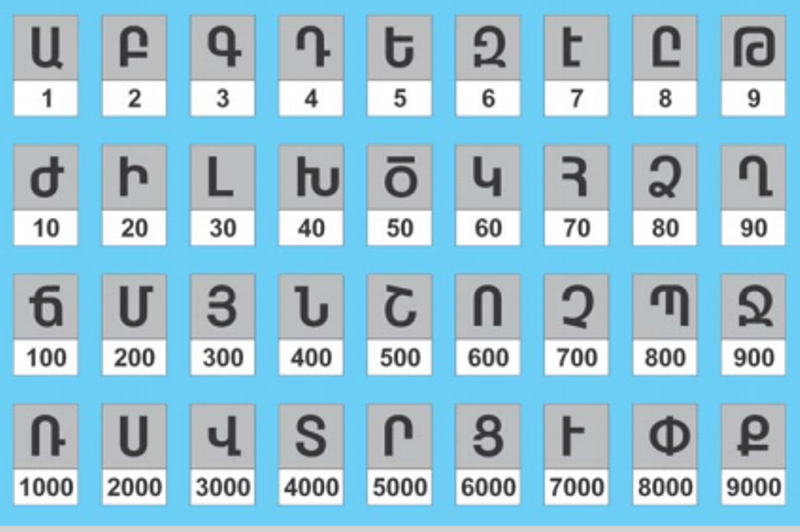
4. Ըստ վերը նշված աղյուսակի ` գրիր քո և ձեր ընտանիքի անդամների ծննդյան տարեթվերը:

ՌՋԲՀ, ՌՋԲԷ, ՑՓՔԹ

Aybuben

Հայոց լեզու

1.Հետևյալ բառերից վերջածանցների օգնությամբ կազմիր նվազական-փաղաքշական նշանակությամբ գոյականներ:
Պատանյակ, որբյակ, աթոռակ, մարդուկ, որդուկ, մկնիկ, իշուկ, հորթուկ, ծերուկ, կղզիյակ, գրքուկ, աղավնյակ, թիթեռնիկ, հատորյակ, ձուկնիկ, աղջիկնակ, առուվակ, դռնակ, հոգյակ, արտույտիկ, ծովիկ:
2. Բառաշարքում առանձնացրու այն հասարակ գոյականները, որոնք գործածվում են նաև իբրև հատուկ անուններ:Շարունակիր շարքը:
Նվագավար, կորյուն, կռունկ, զինվոր, ռազմիկ, ամպրոպ, ավետիս, մարտիկ, ձնծաղիկ, շանթ, երամակ, ծաղիկ, աղջամուղջ, նարգիզ, ակն, գալուստ, գոհար, զանգակ, վարդ, բուրաստան, գավառ, գրիչ, համբարձում, այգեստան, գավիթ, կապան, արշալույս, նվեր, հյուսն, քոթոթ, վարպետ:
3.Ածանցման միջոցով կազմիր որևէ տեղացի, երկրացի անվանող գոյականներ:
Մշեցի-շշեցի, Իտալացի, Հայաստանցի, Արցախցի, Իսպանիացի, Բելգիացի, Նյու Յորքցի, Էջմիածինցի, Մեղրի, Իրան, Բյուզանդիա, Սյունիք, Նոր Նախիջևան, Տավուշ,  Եգիպտոս, Գյումրի, Ջավախք:

Գոյական 4․02

1. Տրված բառերի սեռական հոլովը կազմիր, ընդգծիր վերջավորությունները և բացատրիր հոլովաձևերի տարբերությունը:
Ծառի, սեղանի,  ուսանողի, րոպեյվա, գինու, տիրուհու, այգու, հոգու, օրվա, ժամվա, ամիսվա, գարունի, որոշուման,  ձմեռվա, քույրոջ, ընկերոջ, տանտիկնոջ, հոր, մոր, եղբոր, անկյան, սյան, տան, ուրախության, սիրո, կորուստի, աղջիկա:
2. Որևէ, ինչ-ինչ, ոչ մի, այլևայլ, յուրաքանչյուր, ամբողջ, բոլոր բառերի հետ եզակի կամ հոգնակի թվով գոյականներ գործածիր:

ինչ-ինչ պատճառներով, ոչ մի կերպ, այլևայլ ձևեր, յուրաքանչյուր մարդ, ամբողջ տարի, բոլոր աշակերտները։
3. Արկղեր, ժամացույցեր, հանդապահներ, ծրագրեր, երեխաներ, տիկնայք, թռչուններ, վագրեր, մեծատներ, հացատներ, տղամարդիկ, գառներ, գրագրեր, նռներ, ականակրեր, նավթահորներ, մատենագրեր, դեղատփեր, խմբերգեր, գրաշարե, դիմագծեր։
4. Տրված պարզ գոյականներից կազմիր երկուական բարդ գոյական այնպես, որ դրանք լինեն առաջին արմատ, և բացատրիր հնչյունափոխությունը:
Վայրկյան, մատյան, սառույց, գույն, բույս, կյանք:

Վարկենաչափ, մատենագիր, սառցաբեկոր, գունանկար, բուսակեր, կենսատու։

Cooking Diary

ADD: To put ingredients together; to put one ingredient with the others.

  • Add more salt to the dish if necessary. Ավելացնել

BAKE: To cook in an oven using heat and without extra fat, oil or liquid.

  • It smells good in the kitchen because I’m baking a cake. թխել

BARBECUE: To cook food (usually meat) by using fire or hot coals on a grill outside.

  • I’m going to barbecue some sausages for lunch. խորովել

BEAT: To stir (usually eggs, cream, butter) quickly and continually to make a smooth or frothy mixture.

  • Beat the cream until it starts to thicken. խփել

BLEND: To mix two or more substances so they combine together. Often done in an appliance called a blender which has quickly rotating blades.

  • You can blend fruit to make your own smoothie. խառնել

BOIL: To heat water or another liquid until little bubbles form.

  • Boil the potatoes until they are cooked. Եռացնել

BREAK: To separate into smaller parts by force.

  • Break the eggs into a glass bowl. կոտրել

BROIL: To cook meat or vegetables on a rack with an extremely high temperature. բրոշ

CARVE: To cut meat into slices. կտրել

  • Who is going to carve the Thanksgiving turkey?

CHOP: To cut into small pieces, generally used with vegetables. կտրատել

  • Chop the spring onions then add them to the dish.

COMBINE: To put two or more things together. միավորել

COOK: To prepare food by heating it so that it is not raw and can be eaten.

  • Cook the chicken until there are no pink parts. եփել

CRUSH: To cause to separate or flatten by extreme force, often used with garlic. փշրել

CUT: To separate or divide a solid by using a knife.

  • He cut the meat into little pieces. կտրել

DRAIN: to remove excess liquid from food after washing or cooking it.

  • Drain the water from the pot of spaghetti. քամել

FRY: To cook by putting the food into extremely hot oil.

  • fried some bacon and eggs for breakfast. տապակել

GRATE: To divide into small parts by rubbing on a serrated surface, usually used with cheese.

  • Grate a large carrot and add it to the salad. քերել

GREASE: To coat with oil or butter.

  • Make sure you grease the pan before putting the mix in otherwise the cake will stick to the sides. քսուք

GRILL: To cook by putting the food on a grill; similar to barbecue. Also refers to heating the food under a grill in a cooker which radiates heat downwards. խորովվել

KNEAD: To press and stretch dough with your hands. Usually used when making bread.

  • Knead the dough for the pizza base. հունցել

MEASURE: To obtain an exact quantity or amount of an ingredient.

  • Measure exactly half a teaspoon of curry. Չափել

MELT: to make something become liquid through heating.

  • Melt the butter before adding it to the mix. հալել

MICROWAVE: To heat up food with a microwave oven.

  • Remove the food from the metal container before you microwave it.

MINCE: to grind food, normally meat, into small pieces. A machine is often used to do this. մանր կտըրտել

MIX: To combine two or more things using a spoon, spatula, or electric mixer.

  • Mix the flour, melted butter and sugar together. խառնել

OPEN: To remove the top from a can or jar.

PEEL: To remove the skin or outer layer from fruit or vegetables.

  • Peel the potatoes before boiling them. կլպել

POUR: To transfer liquid from one container to another.

  • Pour the chocolate sauce over the pears. Լցնել

ROAST: To cook (usually meat and vegetables) in the oven or over a fire.

  • We are going to roast the chicken and vegetables. տապակել

SAUTÉ: To quickly fry food by placing it in hot oil in a frying pan.

SCRAMBLE: To mix the white and yellow parts of eggs together while cooking them in a pan.

  • Scramble the eggs in a frying pan.

SIFT: to put a fine substance through a sieve so as to remove lumps or large particles.

  • Sift the flour into a large bowl. Sift 

SLICE: To cut into thin or wide portions that are of similar size.

  • Slice the tomatoes and add them to the salad. բարակ կտրատել

SPRINKLE: to cover an object or surface with small drops or particles of a substance.

  • Sprinkle icing sugar over the cake. Շաղ տալ

SQUEEZE: to extract a liquid or soft substance from something by compressing it firmly.

  • Squeeze the juice from three lemons. ճզմել

STEAM: To cook by placing the food above boiling water. Steam is the vapor that comes from hot water. գոլորշի արձակել

STIR: To mix liquid ingredients by moving a spoon around in a circular motion.

  • Stir until the sugar has completely dissolved.Խառնել

STIR-FRY: To cook small pieces of food by moving it quickly in a wok or pan with hot oil.

  • I’m going to stir-fry these vegetables. խառնել-տապակել

TENDERIZE: to make meat softer and easier to eat by beating it or adding marinade before cooking it.

  • I think we should tenderize the steak before cooking it.

WASH: To immerse food in water to make sure it becomes clean.

  • Wash the strawberries before cutting them into pieces. լվանալ

WEIGH: To measure the weight (grams, ounces or pounds) of something.

  • Weigh the mix to make sure you have the right amount. կշռել

WHISH: to mix liquids, eggs, etc. into a stiff light mass, using a fork or a special tool (such as a whisk).

  • Whisk all of the eggs together with the milk. Հարել
Historyclub

Մխիթար Սեբաստացի կրթահամալիր

Զավեն Ղազարյանի բլոգ

Մխիթար Սեբաստացի կրթահամալիրի ավագ դպրոց դասարան-12.3

Discover WordPress

A daily selection of the best content published on WordPress, collected for you by humans who love to read.

The Atavist Magazine

Մխիթար Սեբաստացի կրթահամալիրի ավագ դպրոց դասարան-12.3

Longreads

Longreads : The best longform stories on the web

WordPress.com News

The latest news on WordPress.com and the WordPress community.

Design a site like this with WordPress.com
Get started